
memory

Why Tiny Moments Become Life’s Biggest Memories
We don’t remember our lives. We remember the moments that captured our attention and carried emotional meaning. Emotion acts like the highlighter pen of life.
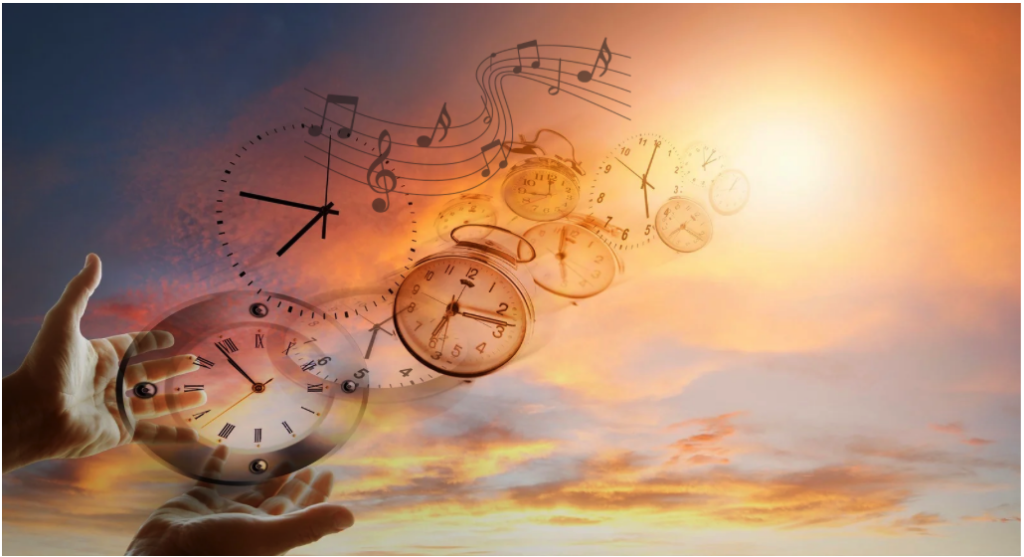
The Closest Thing to Time Travel
When you hear a song associated with a specific period of your life, your brain can partially recreate the emotional state that accompanied it as well as where you were, what you were doing, and who you were with.
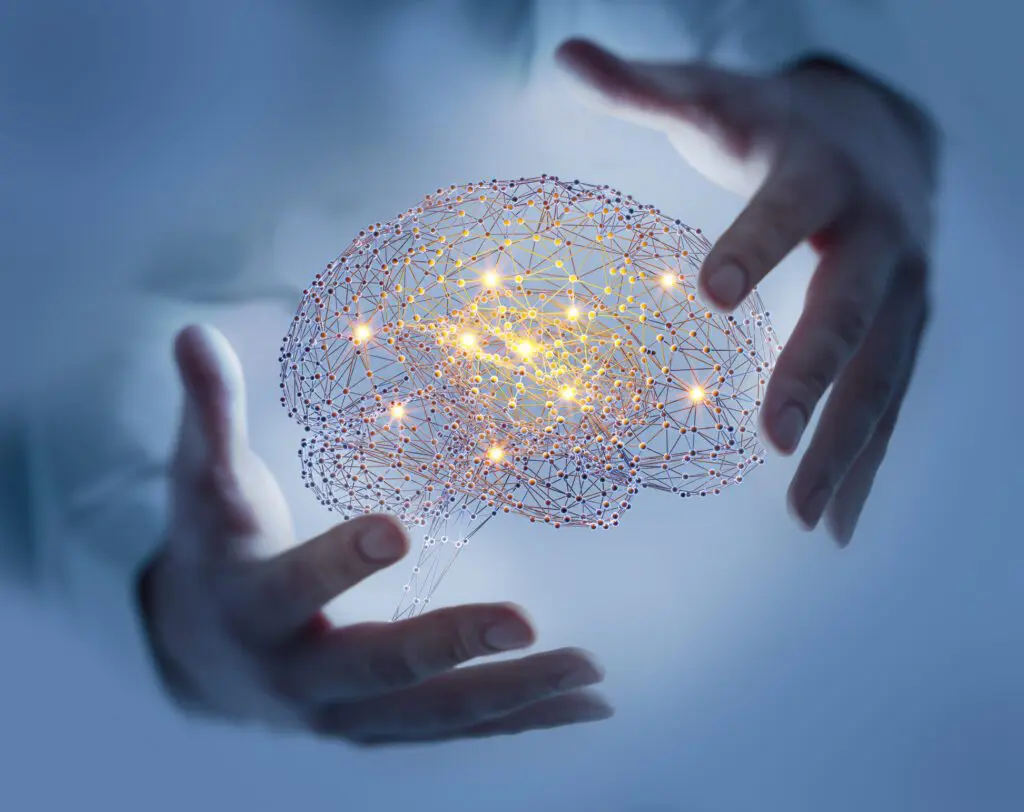
Why Your Brain Loves Stories
Rather than engaging just one system (which happens when you hear a fact), stories recruit several at once. They can trigger emotion, create mental images, activate memory, generate curiosity, and help us predict what happens next. This is why we remember stories better than facts.

Turn Anxiety into Curiosity
Curiosity reframes the unknown as an opportunity instead of a threat – both neurologically and psychologically.