
The Opposite of Stress? It’s Not What You Think
This week’s Better You, Backed by Science is about stress – or rather, its opposite, and how to apply it in your life.
When you think about the opposite of stress, what comes to mind?
Peace? Calm? Relaxation?
Those are really just the absence of stress. The true opposite, according to science, is kindness.
To be more precise – the opposite of an experience of stress is an experience of kindness… what it’s like.
Why? Because if we look inside the brain and body, what stress does, kindness tends to undo. Stress tightens; kindness loosens. Stress breaks down; kindness builds up.
The Kindness–Stress Seesaw
In a Yale – UCLA study, volunteers reported their daily stress and kindness levels for three weeks. The results were clear:
- On days with more kindness, stress was lower.
- On days with less kindness, stress was higher.
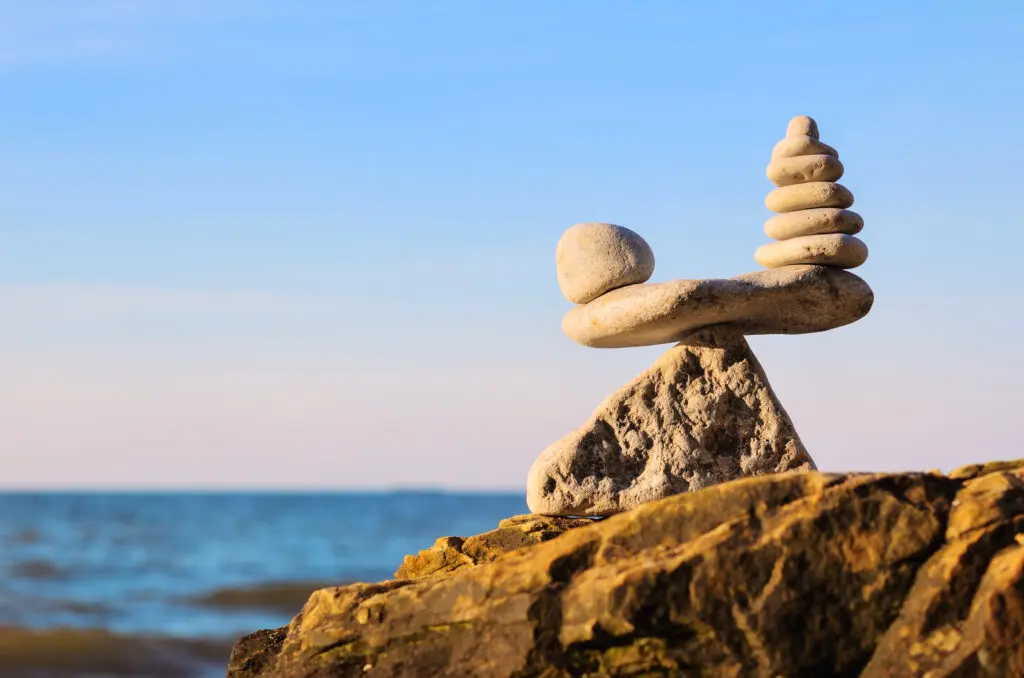
It was like a seesaw: kindness up, stress down.
Kindness doesn’t erase life’s curveballs – but it softens their impact. A stressful event on a “kindness day” simply feels less heavy.
Kindness and Teens
A University of Southern California study found something similar. Researchers studied adolescents for 10 days – their mood and behaviours. It turned out that they felt happier on days when they showed the most kind behaviours.
And it was a direct effect: more kind behaviours = more positive moods.
The effect was strongest of all in teens struggling with depression. The researchers even wrote that: “everyday help-giving behaviours may fulfil social and emotional needs of depressed adolescents.”
Kindness vs Stress: Opposite Effects in the Body
Here’s some other opposites:
- Blood pressure: stress raises it, kindness lowers it
- Immune function: stress dampens it, kindness boosts it
- Ageing: stress speeds it up, kindness slows it down
- Sleep: stress disrupts, kindness restores
- nervous system: stress tenses, kindness relaxes
Small Acts, Big Impact
The science is clear: kindness doesn’t need to be dramatic. It’s the small, everyday gestures that count most. For example:
- Listening with full attention
- Offering encouragement or support
- Checking in on someone
- Helping with little tasks.
Try This: the 7-day kindness challenge
Do one act of kindness per day for the next week.
Here’s some guidelines:
- Make it a different act each day.
- Stretch yourself at least once.
- Keep one act completely anonymous.
Notice how your acts affect people and circumstances. And notice how you feel by day seven and
Want to dive deeper?
🎥 Watch my YouTube video where I further explain how and why kindness is the opposite of stress, and what that means for our health and wellbeing, and where I also share a study on ageing.
References
More
Want to read more like this? Subscribe to my free Better You, Backed by Science weekly email (sends every Wednesday).