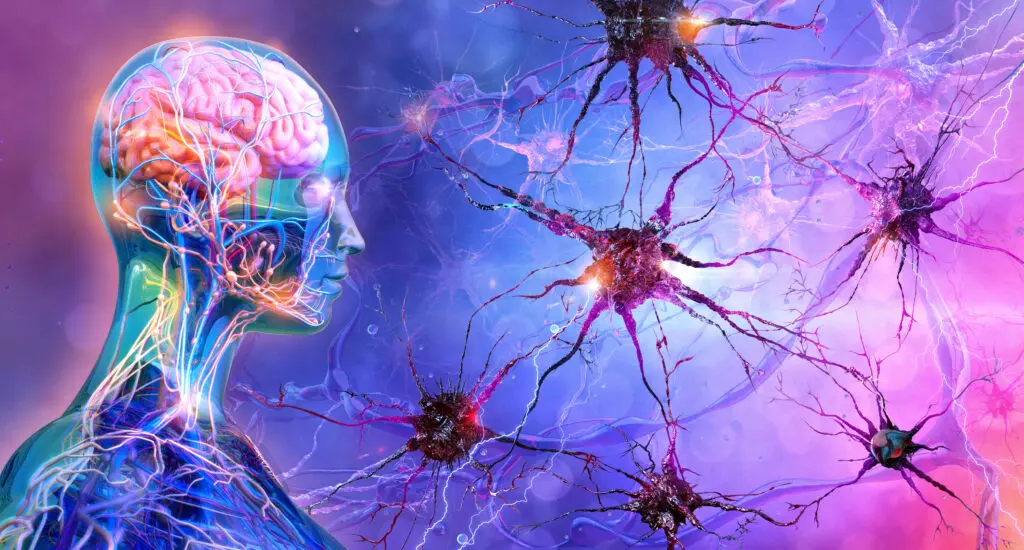
This week’s Better You, Backed by Science is about harnessing the power of mirror neurons.
The word mirror derives from the fact that these cells mirror what you give your attention to.
Watch someone move, for example, and your mirror neuron system (MNS) – as the whole network is called – copies the movements exactly, activating the same neural circuits in your brain for moving in that way.
It’s called action observation. You observe an action.
The amazing thing is, it makes it easier for you to move that way in the future.
It’s incredible, really. Watching movements makes you better at those movements. Think what that could mean! That’s the power of mirror neurons.
But enough about hands.
Mirror Neurons Improved my Tennis
A few years ago, I dramatically improved my tennis serve by watching a video of Andy Murray (former tennis world number 1 and twice Wimbledon champion) serving.
When say I watched a video… I actually watched it 3,000 times.
Some may say that’s a bit excessive.😉
I wrote a book about this kind of stuff a few years earlier (The Contagious Power of Thinking) so I knew that repetition is key.
I edited the video down to about 3-4 seconds then looped it so it played 100 times. Then I watched it every day for 30 days: 30 days x 100 views is 3,000 views.
It’s based on research where volunteers watched a video of a professional golfer putt a golf ball and it greatly improved their own putting performance.
They only watched it a couple of hundred times, so maybe I was a bit excessive, but I was determined.
It was shortly after I took up tennis (about ten years ago) and I was fed up with suffering heavy defeats all the time. Most people at my club have been playing since they were kids.
I was second bottom of the bottom division in my club leagues at the time. But after all the video watching, my serve improved so much in those 30 days that I won the division and was promoted to the next one up.
Mirror Neurons in Life
But it’s not just sports this works for. That’s just an example close to my own heart.
-People who have had a stroke found that watching able-bodied people perform routine movements improved their own movements.
-Dementia patients watching videos of hand movements were found to have improved attention and facial recognition.
-People have gained physical strength by watching others do strength exercises.
-action observation is even responsible for emotional contagion – how we catch emotions from others.
When you’re in the presence of someone who is happy (or stressed), your MNS will copy their facial expressions, particularly the muscles that carry emotion. This simultaneously stimulates your own neural circuits so you also feel happy (or stressed).
This happens every day without us ever realising.
The moral of the story is this: action observation is like a cheat code for learning or improving at something really fast – whether it’s a dance move, tennis serve, golf putt, volleyball or basketball shot, rehabilitation after an injury, strength improvement, or even improving your mood by intentionally hanging out with happier people.
So whatever you want to learn, improve upon, or change, start watching experts first.
Try This
Is there is a physical movement you’d like to improve or your mood through emotional contagion?
For movement
If it’s a movement, might it be:
- A tennis serve?
- A dance move?
- Plucking a guitar
- Rehabilitation after an injury?
- Or something else?
Find a video on YouTube or social media of someone doing it – ideally an expert.
Watch the video at least 20 times a day if you can (you don’t need to be quite as obsessive as I was), and see what happens over a week.
For mood
If you choose improving your mood, then watch a video of people smiling or laughing and watch it every day for a week.
Here’s one you could use. It’s only 2 minutes long, so you could even watch it a couple of times in a row each day (or more if you want to).
It stimulates your own smile muscles, which gradually causes your brain to feel the emotion.
References (for those who wish to explore further)
Improved golf putting. Link.
Action observation and stroke rehabilitation. Link.
Strength improvement through action observation. Link.
Improved attention and facial recognition in dementia patients. Link.
A paper on emotional contagion. Link.
More
Want to read more like this? Subscribe to my free Better You, Backed by Science weekly email (sends every Wednesday).